


Reengineering a seaport system handling 2M+ cargo tones
Project definition and goal
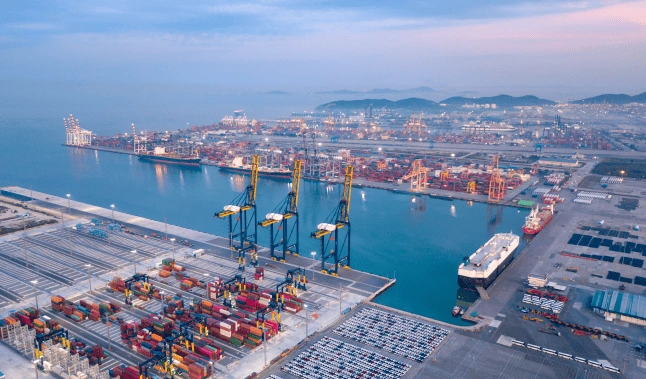
The Port of Elliat is a large Israeli seaport handling 2+ million tons of cargo and 70K+ cars in traffic annually. To manage operations, the seaport used OGEN, a proprietary system built with MsSQL, NET Web forms, and DevExpress. However, due to the outdated tech stack, the system was prone to performance issues unable to support complex business logic.
- Performance: The legacy system struggled to process large data, resulting in delays of up to 20 seconds to open mission-critical dashboards or reports. This hindered operational efficiency and could potentially lead to data loss.
- Compatibility: The applications needed to be more compatible with modern, widely-used browsers, hampering the overall user experience.
- Outdated technology: Obsolete technology necessitated a migration to a more modern infrastructure for future-proofing and sustainability.
The goal of the project was
Global tasks facing the team
Increase performance and data protection of the system through reengineering

Ensure smooth and uninterrupted operation of the system during the reengineering process
.svg)
Keep the functionality of the previous version and implement the new one

Integrate the system with different communication services, such as customs office, ship agents, managing personnel, etc.

Provide user-friendly Hebrew interface
Our working concepts


- Architecture modules design
The team took an active part in the decision-making process on architecture solutions. They proactively responded to the manager’s requests and collectively figured out the best reengineering plan.
- Planning
Reengineering the functioning system and integrating the old and new functionality required from our team accurate and coherent planning. Every step must be considered from the perspective of uninterrupted operation of the system.
- Reengineering and deployment
All our engineers on this project brought a senior level of proficiency and could properly maintain smooth operation of the system, even during new releases. They were fully responsible for the preparation of artifacts and their deployment to different environments.
- Security analysis
TYMIQ’s engineers were always partial to providing the highest level of the system security. They used advanced techniques and tools to ensure protection from any malicious attacks.
- Maintenance and support of the system
Throughout the project and up to this moment, TYMIQ has been maintaining the system in the actual and secure state.
- Maintenance of project documentation and technical specifications
The team was fully responsible for maintaining technical specifications within the project.
- Business analysis and business logic development
TYMIQ played an important role in the development of the customer’s business processes through continuous engagement in the requirement management. Our engineers were aspiring in delivering their ideas for improvements where it was really necessary and where it should bring value to the customer.
IT infrastructure
- TFVC (Team foundation version control)
- Azure
- DevOps
- Azure
- DevOps


Solution
The profound expertise in software reengineering helped TYMIQ fulfill the customer’s request and deliver the modernized version of the port operation system - OGEN 2.0. Throughout the project, our team have been keeping the system available 24/7, despite all the challenges caused by parallel migration and integration processes.
- SQL server with Stored Procedures as database server
- ASP.NET Core Web API
- ASP.NET Core Authentication service
- React Frontend app
- REST-API application based on ASP.NET Core
- Web application based on React
- Authentication, communication, and reporting services
.webp)

- Authentication - Makes authentication of each request based on JWT token.
- ASP.NET Web API Controllers - Handle incoming HTTP requests and send responses back. The Web API controllers implement the REST API approach.
- Models - Present an HTTP incoming request as an object.
- Business objects - Contain business entities and their methods.
- Data access layer - Calls SQL Stored Procedures on SQL Server side and returns the result back. It uses the external FndUtils library. This library uses ADO.NET component to communicate with the SQL Server.

- All SQL procedures working with datasets have been enhanced with additional parameters to support server-side pages. As well, we have enhanced C# to be able to get parameters from the grid and send them to the SQL procedures.
- Most complex queries and Stored procedures have been improved with the required indexes, using views and also some refactoring where it is required.

The frontend part of the project is represented by the React Web Application. The application uses the following technologies:
- React as a JavaScript library.
- TypeScript as language.
- Node js as package manager.
- React routing as navigation system.
- i18next for globalization.
- Axios for http requests.
- Telerik Kendo UI as the main UI components library.
Why the client working with us

Credibility
TYMIQ is a truly reliable partner who works hard and inclusively.

Focus on value
We deliver lasting value for a reasonable price. Our specialists are always result-oriented, and therefore look for only sustainable and smart solutions fitting best the customer’s needs.

True reengineering proficiency
We know how to correctly upgrade a legacy software and put it back on track in the optimal time. We strive to make this process as painless for the customer as possible.

High commitment
TYMIQ has strong dedication to the development of the client’s business, as evidenced by our high responsibility to work.

Open and honest communication
Our team stays in constant contact with the customer and timely arise all critical issues to get their approval for remediation actions.
Client’s feedback

“We selected TYMIQ over others for their great culture fit and good value for cost. They provide a very professional plan with a detailed explanation of how they will resolve all the goals and issues in the existing software that we have provided.
Everything was delivered on time and was quick response for all our needs. We found their professional team and business ethic impressive. “

Other projects implemented by TYMIQ
End-to-end IoT solution for intelligent asset monitoring
TYMIQ developed hardware and software products and brought them into a single asset monitoring system. Our dedicated team managed to quickly release the first commercial version of Prylada and helped the client occupy its niche in the market.

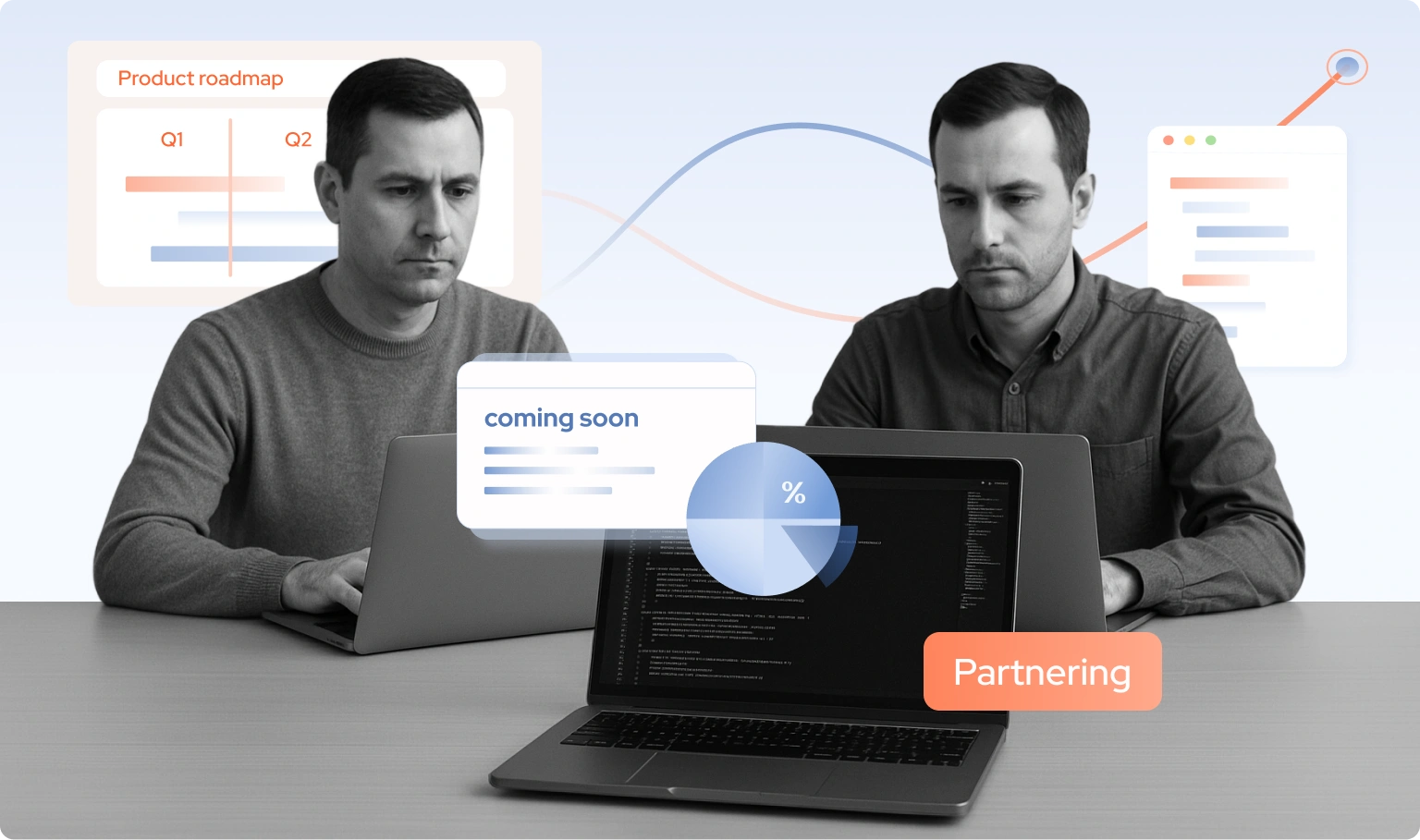
Partnering in custom software development and reengineering
A wide range of TYMIQ services does not make us a closed-loop company. Instead, our expertise in various domains allows us to build effective cooperation with other IT companies and together help businesses optimize their legacy software.
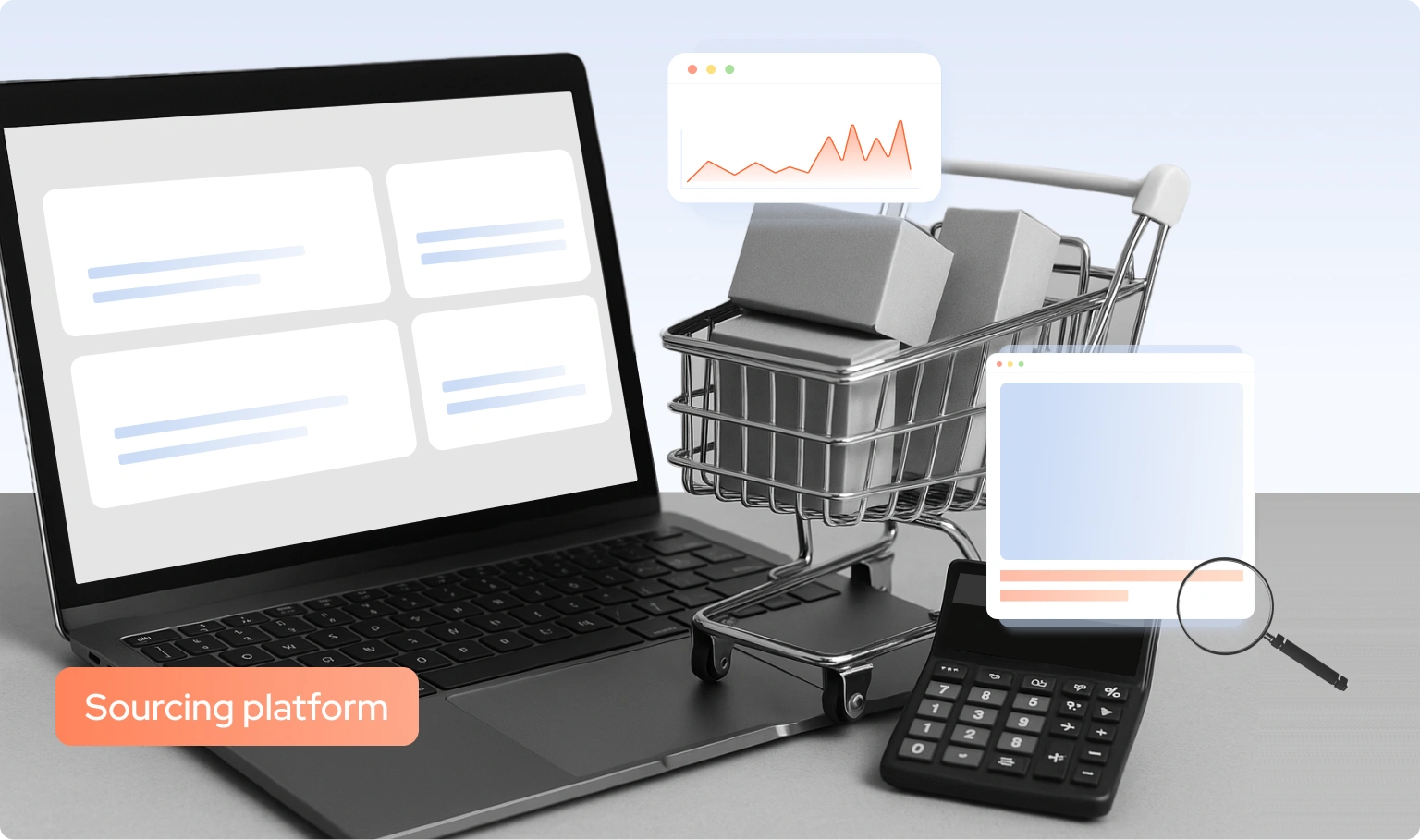
A procurement platform for 2M+ suppliers of technical items
We provided IT outstaffing services for migration and development of a sourcing platform. TYMIQ played a big role in implementing the microservices-based architecture, tuning the application performance, and reducing infrastructure costs.
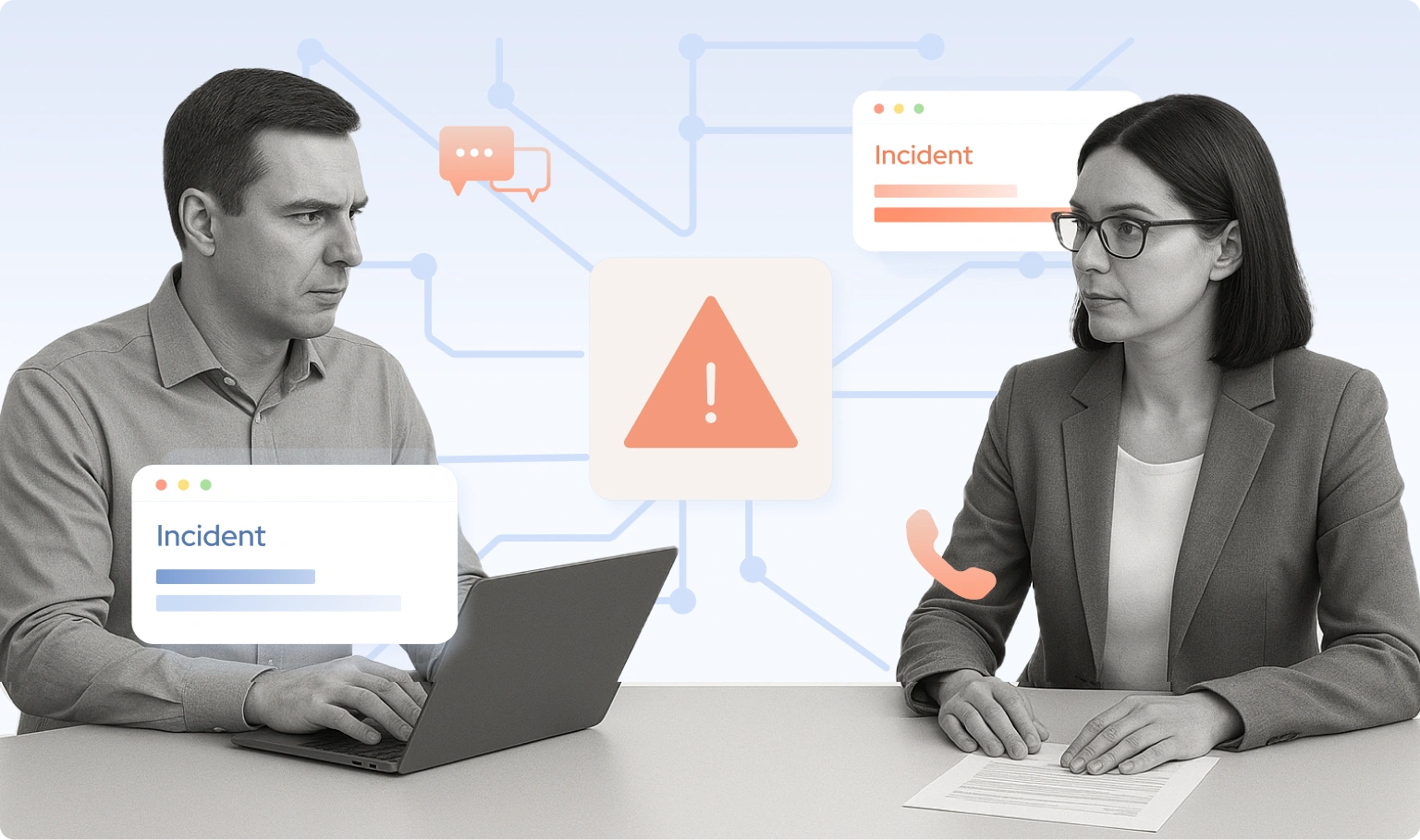
Critical incident management platform
TYMIQ built a modular, highly secure and flexible platform for critical incident alerting. The platform provides cloud, hybrid, and on-premises deployment options and is prepared for a wide range of critical events.
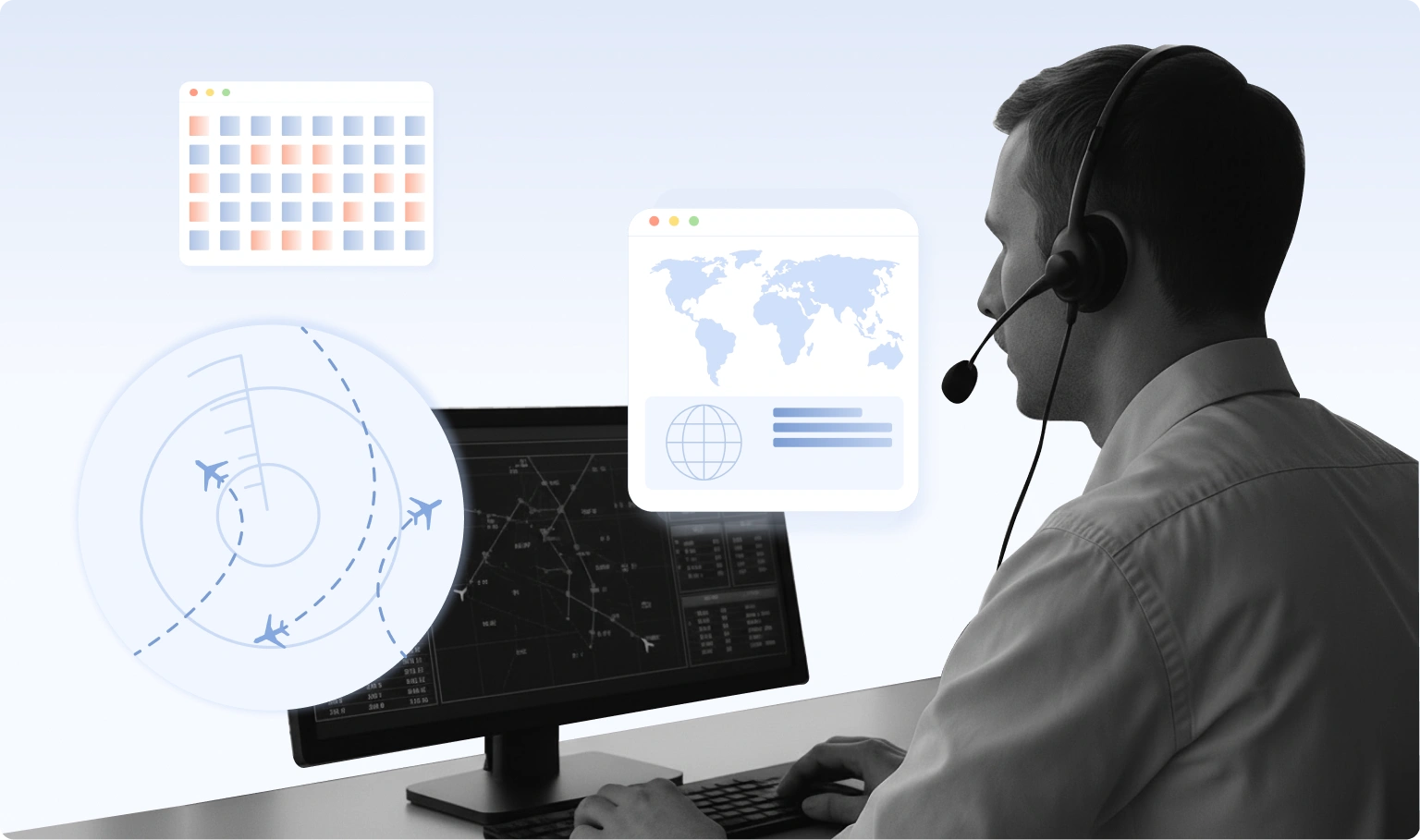
Maintaining and modernizing legacy system for air traffic control company
TYMIQ maintained and modernized an ATC information display system (ATC-IDS) from .NET Framework to .NET Core for an ATC company. The team adapted existing functionalities, optimized performance, and ensured seamless integration with broader objectives.


.svg)


