TYMIQ’s CEO attended KeyConf26 in Prague

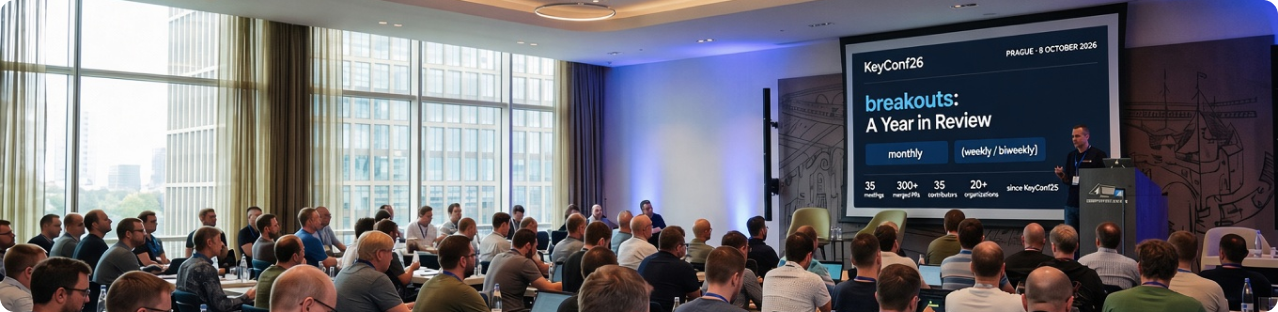


On October 8, 2026, Dzmitry Tsybulka, CEO of TYMIQ and Keycloak expert, attended KeyConf26 in Prague for the third edition of this annual conference dedicated to the Keycloak community. The event brought together developers, architects, security specialists, and IAM professionals to discuss the evolution of open-source identity and access management.
This year’s agenda covered a broad range of topics, from running Keycloak securely at scale to emerging identity standards and new use cases. Sessions explored the integration of Keycloak with AI, the OpenID Shared Signals Framework, access token security, and practical solutions to complex Keycloak implementation challenges.
The discussions were particularly relevant in light of recent developments in the Keycloak ecosystem. Keycloak 26.8 introduced new capabilities for digital wallet credentials through OpenID for Verifiable Credential Issuance (OID4VCI) and OpenID for Verifiable Presentations (OID4VP), SCIM-based user provisioning, stateless multi-cluster deployments, and token exchange delegation for AI agents. These developments highlight the growing role of IAM in modern, distributed, and AI-enabled systems.
For TYMIQ, participating in KeyConf is an opportunity to stay connected with the community shaping the future of Keycloak and follow the technical developments that matter to organizations building and maintaining secure enterprise applications.
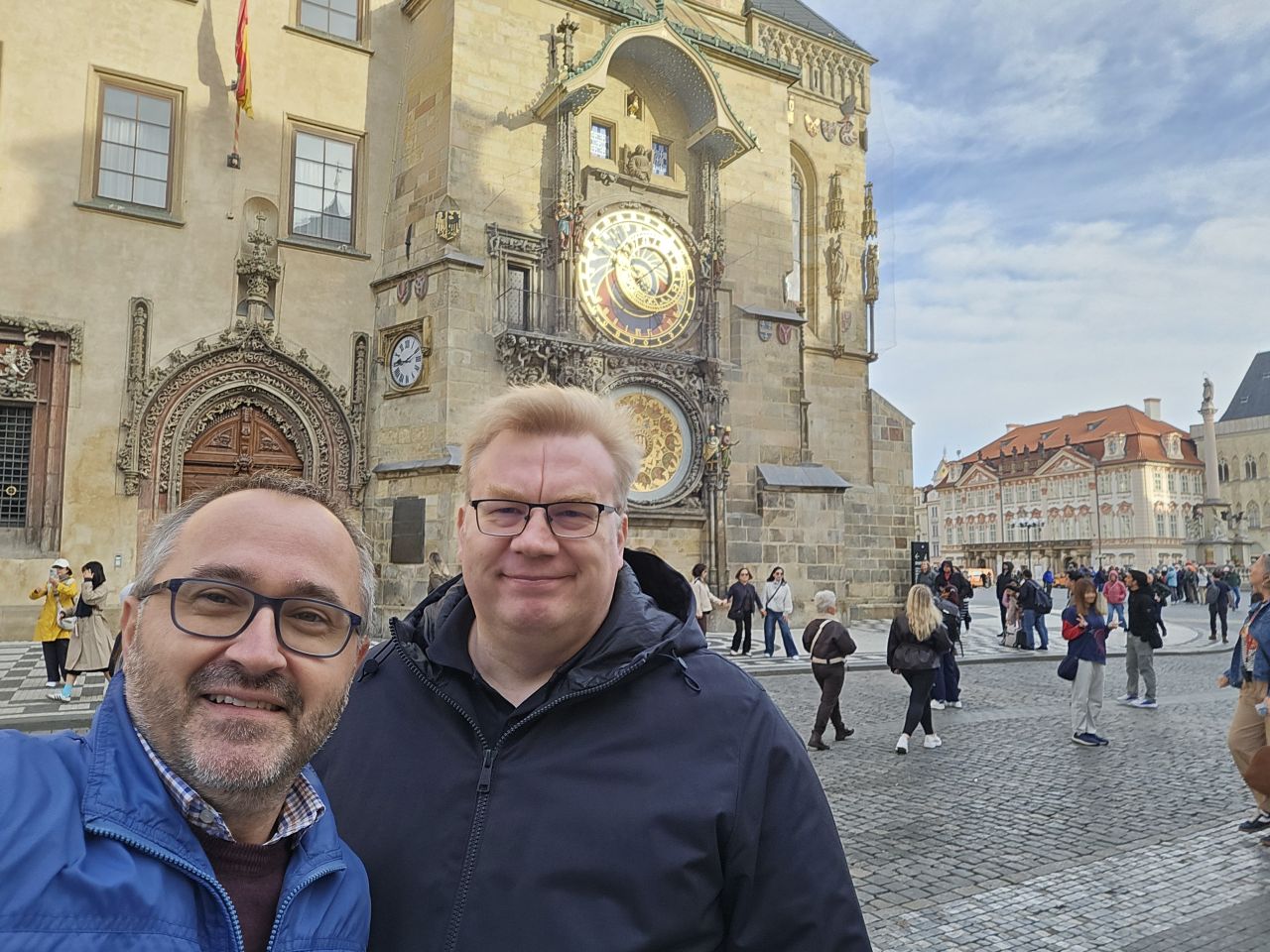
With deep hands-on experience in Keycloak implementation, customization, integration, and optimization, TYMIQ helps businesses address complex IAM requirements and make informed technology decisions.
Looking to get started with Keycloak? Explore our Starter Keycloak Consulting Package — a one-day, expert-led session designed to help your team understand Keycloak, review its configuration, and apply security and administration best practices.